• HOME
  • ABOUT
    • CAREER
    • TESTIMONIALS
  • BLOG
    • Business
    • Creativity
    • Marketing
  • PODCAST
  • HOME
  • ABOUT
    • CAREER
    • TESTIMONIALS
  • BLOG
    • Business
    • Creativity
    • Marketing
  • PODCAST
BILLY LOIZOU

LEND ME YOUR EYES

PERSONALISATION MATRIX

8/17/2021

0 Comments

 
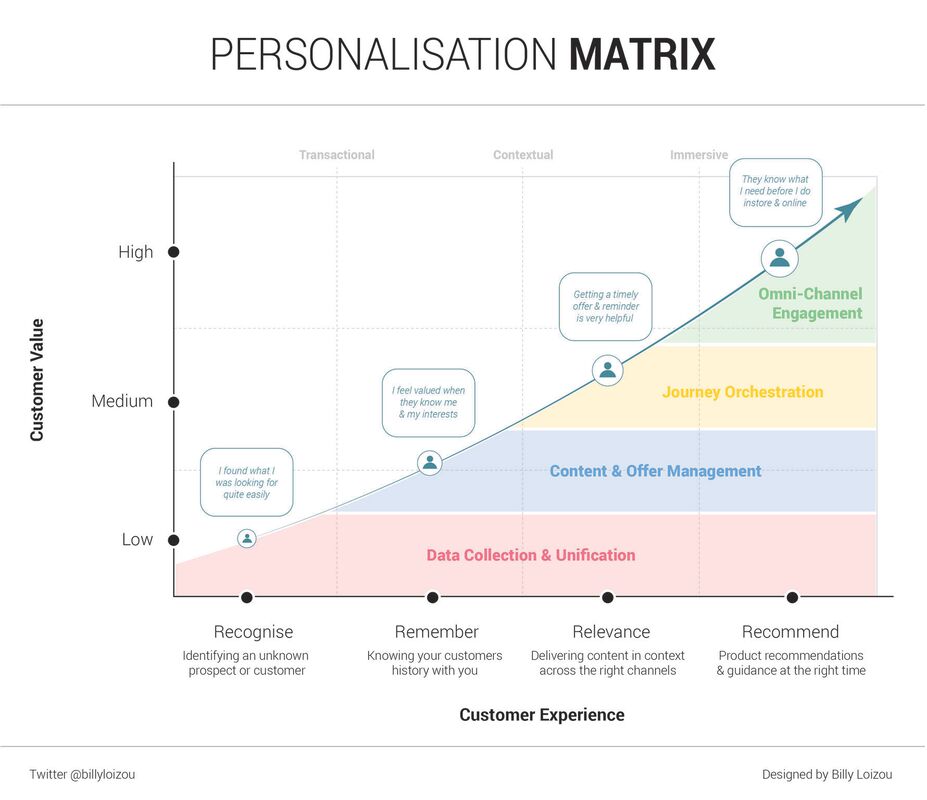
PersonAlisation is a buzz word that is thrown around in conversations without much thought of what it actually means.

The technology you need to drive true personalisation is only going to be as effective as the strategy you deploy and the data you collect to action. The power of true omni-channel personAlisation is still yet to be fully unlocked in most businesses.

Below is a diagram I have designed which should help illustrate Customer Value vs the Customer Experience using the 4R's of personalisation.
Picture
0 Comments

FINDING THE MOMENTS THAT MATTER

2/2/2016

0 Comments

 
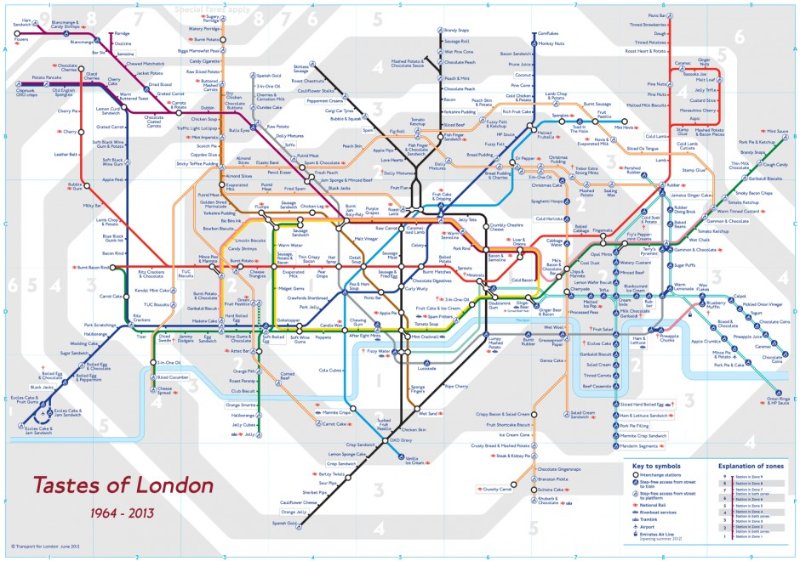
Harry Beck, a young draughtsman who drew electrical circuits for the Underground pioneered the way we visualise information today. You wont find his face on any coins or stamps, but his fingerprints are all around London. He is responsible for the most influential transit map created for the London tube, which has spawned similar designs across the globe.
​
Picture
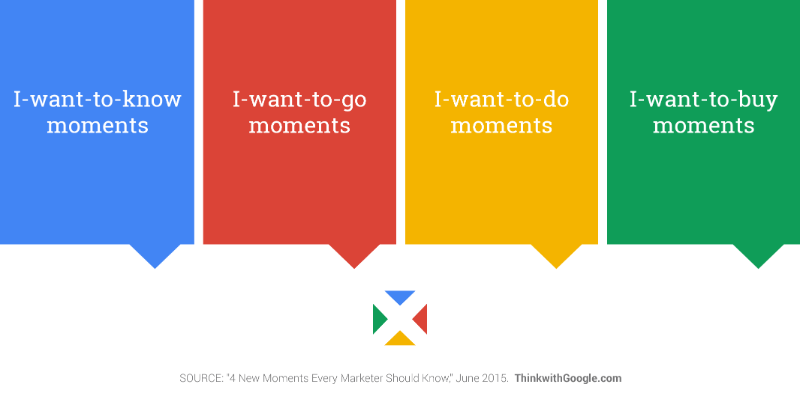
Prior to Beck's design on the underground train map it was about as eligible as a dropped pizza. His designs have helped passengers get a better understanding of where they want to go, at a time that is extremely confusing for those new to transport or in a foreign country.  To the passenger this was in essence a "I-want-to-go moment" and has become critical to their experience.

Here are some other key customer moments: ​
Picture
Check out Googles Micro Moments project for more on this, each one is a critical opportunity for brands to shape their customers decisions and preferences.

According to Google our mobile has forever changed the way we live, and it’s forever changed what we expect of brands. It’s fractured the consumer journey into hundreds of real-time, intent-driven micro-moments.

What Can You Do Today:
  1. Make a moments map: Identify a set of moments you want to win or can't afford to lose. Examine all phases of the consumer journey to map moments when people want to find inspiration, learn about your products, make a quick purchase, or anything in between.
  2. Understand what the customer needs in the moment: For each moment you want to win, put yourself in the consumer's shoes. Ask “What would make this easier or faster? What content or features would be most helpful for this moment?"
  3. Use context to deliver the right experience: Leverage contextual signals like location and time of day to deliver experiences and messages that feel tailor-made for the moment. For example, let customers searching nearby your stores know when the products they’re looking for are in-stock or available for pickup in-store.
  4. Optimise across the journey: People move seamlessly across screens and channels. Does your brand deliver seamlessly in return? Don’t let competing objectives or department silos stand in the way. To account for today’s complex, fractured journeys, anchor completely on the consumer and organize around moments.
  5. Measure every moment that matters: You cannot afford to under-serve your customers while you're dealing with measurement gaps. While the return on investment for certain moments may not yet be directly measurable, train your team to use credible estimates to ensure nothing’s falling through the cracks.

I recommend all marketers sign up to the 'Think with Google' newsletter:
https://www.thinkwithgoogle.com/

Download the micro-moment case study
0 Comments

The Customer Service Revolution #CustomerClienteling

1/31/2016

0 Comments

 
Picture
Shopping is now a 24/7 experience. Digitally savvy customers are able to research, compare products and prices, and read reviews before making a purchase decision. They are becoming more vocal and share their brand experiences—good or bad—with their social network. Most brands struggle today to deliver a positive experience from sale through service and 89% of customers are leaving brands due to a bad customer experience.
​
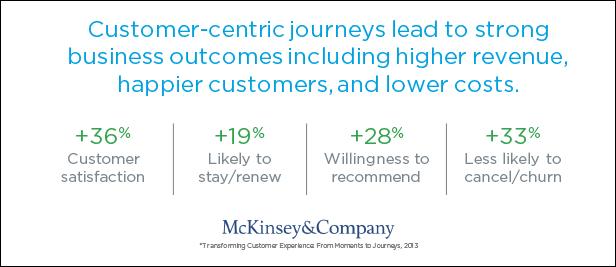
It is no surprise that companies who invest in a 'customer-centric' strategy are seeing amazing results in their overall business KPI's. The best brands in the world provide their customers with a memorable experience...that experience creates an emotional connection which will stay with the customer for life. McKinsey & Company provided some research in 2013 to support this theory.
Picture
​Fast forward towards the end of 2015 and these statistics above are even more convincing. Organisations are no longer just focused on the 'Increase in ROI' they are now also conscious of two other metrics; 'Customer Satisfaction' and the 'Willingness to Recommend.' The close link between service and marketing is now apparent. A well armed marketing team should help set up every department around them to know the customer more intimately. The key is then being able to serve the customer information in a friendly and actionable manner. Welcome customer clienteling.
Picture

​Customer Clienteling: Serve Your Customers Better!

Retailers today need to empower their employees with information that allows them to have a helpful and meaningful conversation with clients. Innovators are recognising that the retail industry needs tools that truly fit the way consumers shop and how sales people sell. Retailers and consumers have embraced these reimagined tools, and these companies are seeing great success. According to PWC the following clienteling tools enable:
  1. Connected Customers: Armed with a dynamic customer profile, sales and service associates can now make informed, personalised cross-sell and up-sell recommendations to customers at the point of sale. The payoff? Higher sales per customer and improved customer loyalty.
  2. Connected Stores: The solution helps retailers create seamless, consistent interactions and experiences across multiple channels—including online, in-store, on mobile devices and via social media. The result is improved customer satisfaction and loyalty.
  3. Connected Employees: Better-connected employees—those who collaborate more effectively, share success stories, and contribute first-hand product knowledge—help improve their own performance as well as that of their peers. For the enterprise, this means greater operational effectiveness.
  4. Connected Products: The solution can help deliver real-time insight into customer preferences, buying habits, product reviews and product availability. Armed with that data, enterprises can make better, informed decisions, scale more easily and increase their returns on investment. 

Customer Journeys: Bring together the physical & the digital
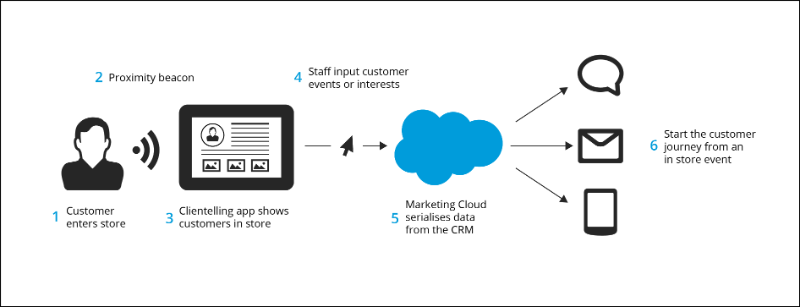
Customer clienteling has been around for a few years now, particularly in the retail and financial space. However utilising the Salesforce platform, customer clienteling solutions can now trigger real-time journeys straight from the Marketing Cloud whilst the customer is in store or just left. 

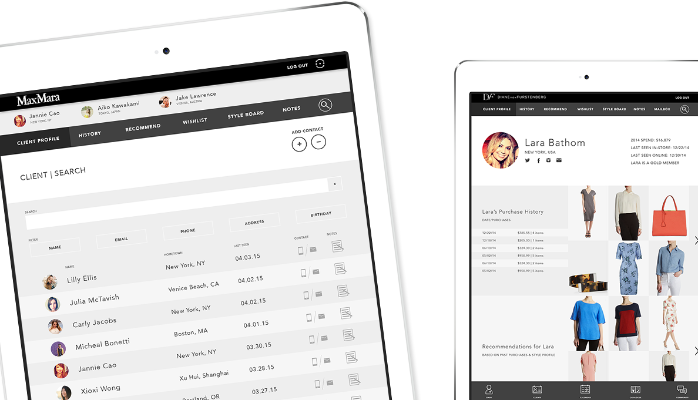
Imagine you are an existing customer and visiting a Country Road store. You are browsing their summer range when you get approached by Samantha one of their friendly customer service staff. Samantha has an iPad in her hand and with the quick scan of your loyalty card or by utilising iBeacon technology can access your customer record. Samantha now has access to your:
  1. Customer Profile Information
  2. Style Recommendations
  3. Wish List Items
  4. Online Browsing Behaviour
  5. Purchase History Details
  6. Loyalty Status and Special Offers
Some customers might be frightened by companies having access to this amount of data but the objective is purely to provide a more personalised shopping experience. Samantha now becomes your own personal stylist and the same unique experience you get online can now also happen in store. Samantha also now has the ability to send you communications from within the store during your shop. For example items you have recently tried on, items that customers similar to you have purchased, trending items online, the products you have put on lay-by or more importantly send a personalised message from Samantha herself after the shop. The insights can power Samantha's conversation and level of service, however provide the relevancy to enhance your shopping experience. See the example below:
Picture
The lines between the physical and the digital are slowing becoming blurred. We can now push the boundaries of CRM, digital marketing, and the in-store experiences. 

If you would like to hear more about these leading solutions, I recommend you reach out to the thought leaders and innovators in this space Proximity Insight: http://www.proximityinsight.com/.

You wont be disappointed!
"Customer service is not a department 
....it's everyone's job!"
0 Comments

It's Always Been About The Customer

1/29/2016

0 Comments

 
Picture
Today’s marketer and every brand I come in contact with are focusing on putting the customer at the centre of their world. This is great news…but hasn’t this always been the case? Well in short the answer is yes, the difference now is we have technology that allows us to interact with our customers wherever they are, whenever they want. This technology like Salesforce Marketing Cloud gives marketers real time reporting and allows you to map your strategies across multiple channels and digital touch points. Prepare yourselves to hear this phrase a lot in the next 12 months; but this is the year of the customer journey.

Most designers would agree with me that the customer has always been the main focus. However for years companies have focused on trying to stay relevant by using the latest technology, creating a social identity and chasing the customer around the Internet using display advertising. Issue being that the ROI was never measurable, it was expensive and they never understood why they were doing any of these things in the first place. Steve Jobs was well known for how he pioneered the personal computer revolution and disrupted the music industry, but at the core was his design-driven customer approach. “You have got to start with the customer experience and work back to the technology – not the other way around” Jobs said. Design is not just about how something looks and feels but its about how it works, and the most successful designers like Tim Brown (CEO of IDEO) will tell you that most of their time is spent in the inspiration and ideation stages of their projects, where it is heavily focused on customer research and user experience.

As marketers, we need to harness the power of these tools available to us, we now have access to more data then ever before and the technical tools to engage with our customers in sophisticated 1:1 journeys. The customer journey has now become even more complex so in order to do this successfully we must stay true to the customer and our brand; here are some key things to think about when mapping out your customer journeys:
  • Use research: Deep qualitative research is the secret to discovering unmet customer needs. Start by understanding your customer, the market and even your direct competitors. Use the data you have available to you to make some clear actionable decisions, for example your online browse behaviour, purchase data, social data, in store transactional data and call centre data. Knowing how to tap into technology to uncover how individuals and groups really think and act is an essential part of innovation. Involve a broader team in the research phase also as everyone can provide different insights throughout the company like Sales, I.T, Customer Service and Marketing. It's also a good idea to send out surveys, conduct customer interviews and ethnographies to create powerful experiences.

  • Focus on the emotions: Every customer interaction is driven by an emotional decision. Understanding what the customer is going through at every stage of the buying or selling cycle with your brand will help you tailor content to make them feel comfortable and reassured. For example while shopping for property the customer is extremely happy, confident and optimistic. The moment they make a formal offer a sense of doubt, fear and anxiety comes over them as the decision they are making comes hammering down on them. Emotions are critical to any experience, whether B2B or B2C, and a great customer journey needs to communicate them.

  • Understand the lifecycle stages: Customer journeys and lifecycle marketing are not that dissimilar. It is still important to understand the different stages that a customer can go through with your brand. If I use my property example like before then here are six stages a homebuyer will go through when looking for a house:
    1. Identify: We have out grown our home or looking to downsize
    2. Discover: What suburb and what sort of home are we after
    3. Select: Narrowing down the selection and visiting open for inspections
    4. Transact: Making the offer or visiting the auction, succeed or keep looking
    5. Move: Between the transaction and the big move
    6. Post-Move: After you have settled into your new home
    By understanding these stages, multiple journeys can be a mapped to help the customer through making their tough decisions and content strategies can be put in place to provide relevant information before they seek it.

  • Think about the different touch points: A customer that is engaging with your brand online compared to a customer that is engaging with your bricks and mortar store have similar needs, yet both require different attention. With access to email, social, web and now mobile a brand can provide assistance and experiences in many different ways. We want our online presence to have a 1:1 approach with a high level of service that most customers only get in store, and we want our in store presence to be as exciting and interactive as our online store. I call this blurring the lines between the physical and digital worlds…PHY-GITAL. Every customer has a preferred channel, however with technology like iBeacons, Geo location based messages and real-time data the power is in the hands of the brand to do some smart cross channel marketing that creates life changing customer experiences. Check this awesome mobile marketing concept from Meat Pack a shoe store in Guatemala.

  • Highlight the moments of truth and think about the red journeys: There are key moments in a customer’s lifetime where we have the opportunity to provide a service above and beyond. What happens when something goes wrong? A parcel never reaches it’s destination, or if it does it's broken, a flight is delayed or canceled, and your dinner reservation was accidentally double booked. Identify some of these critical stages (I like to call them red journeys) and find a way to make it up to the customer. “There is only one boss. The customer. And he can fire everybody in the company from the Chairman down, simple by spending his money somewhere else!” –Sam Walton, Walmart Founder.

  • Have a clear goal and stay true to your brand promise: Every journey or interaction whether small or large needs to have a clear measurable goal. This is the underlying strategy of why we are sending these communications and mapping out these journeys. Staying true to your brand promise will allow customer journeys to be the focal point for your entire business not just your marketing department. The customer touches every part of an organisation, learn from it and never stop testing or pushing the boundaries. Use tools like A/B testing and reporting to see how you are tracking against the goals you have set.
    ​

In 2015, marketing will mean delighting every customer — and building true brand loyalty across the entire organisation. Sharing a vision that touches every employee from the C-Suite down. 86% of senior-level marketers say that it’s absolutely critical to create a cohesive customer journey (source Salesforce: 2015 State of Marketing Report.) Don’t be scared to try something that has never been done before, learn from your mistakes as the only risk is standing still and doing nothing at all.
0 Comments

How Virtual Reality Will Change The World We Live In!

1/26/2016

0 Comments

 
Picture
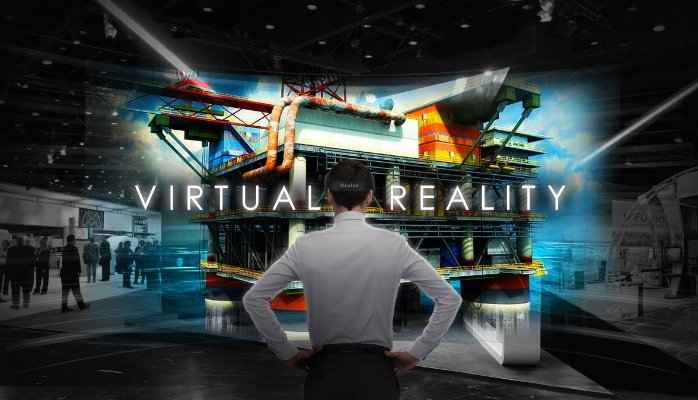
I have just boarded a 13hr flight from Sydney to Los Angeles, excited by the fact that I'm heading to San Francisco to attend Dreamforce 15' for the biggest technology conference on the globe. As I'm trying to pass time on the plane by watching movies, listening to music and reading a book (George Orwell, 1984) - my mind starts racing thinking about the future. This is a common occurrence for me, "live in the moment" I keep telling myself. I start thinking:
"I have a lot of time to kill on this trip, imagine if I had a virtual reality headset that would allow me to do anything I wanted whilst in mid air - like visit open home inspections, go car shopping, go camping, spy on my dog?" That would be cool and practical!"

How It Will Change The Real-Estate Industry

Meet Lucy Thomas, a mid 30's and newly married Accountant who is expecting her first child. Up until now husband David and her have been renting in the inner suburbs of St Kilda however are keen to buy a larger home now that they are starting a family. Work is getting busier, the days are getting shorter and energy levels aren't quite as high as they use to be now that she is 6 months pregnant. 

Lucy gets home from a long day at work, makes a cup of tea and sits by the fire place ready to look at some new open planned apartments being built within a 10km radius of her current location. She puts on her full HD Virtual Reality headset and starts scrolling through the menu using a swiping down hand gesture. She selects the real estate app exactly the same way you select an app using your iPhone - difference is this is highly animated and has an in built Bose sound system to enhance the experience. The light sounds of John Mayer come on in the background as the headset is synced to her Apple music account and also connected to the family wifi. 

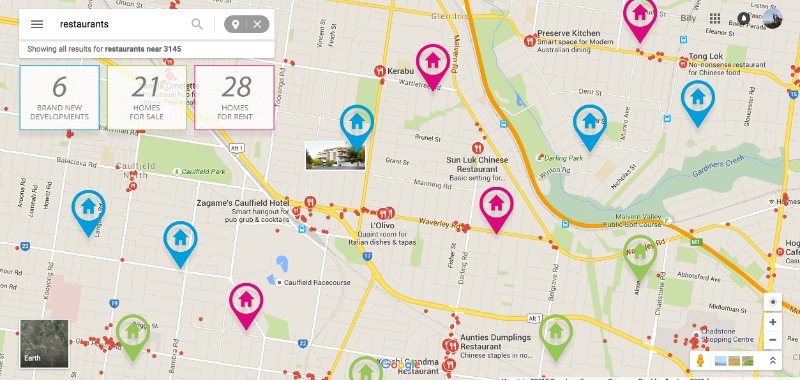
The first thing Lucy sees is a helicopter view of Melbourne city. She has access to both a street view or standard map but can also filter her preferences for available homes and new developments. Lucy is seeing relevant information on previously sold houses, the average price of sale and also getting highlighted key pieces of data that are specifically targeted to her - for example dog parks, closest yoga centre, schools, cafes, hot spots and distance to work via car or public transport. The below picture is purely a mock up.
Picture
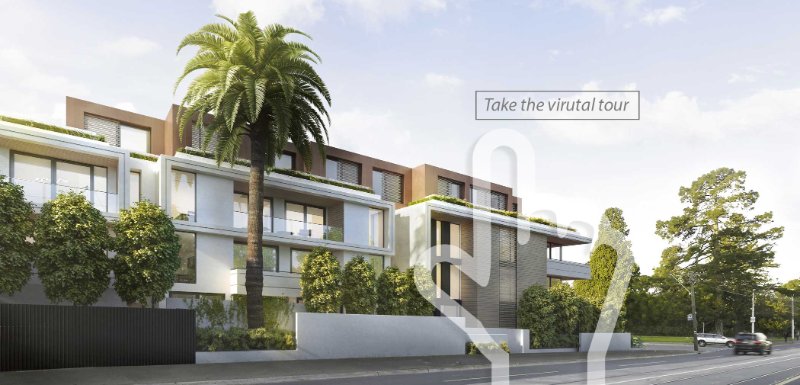
Lucy zones in on East Malvern a beautiful green leafy area 10km from the CBD and finds a brand new development that sits comfortably within their price range, not too far from work and big enough to start a family in. She decides to take a virtual tour of the yet to be developed luxury apartments. The below picture is purely a mock up.
Picture
Now this is where the magic happens...
Standing out the front of the brand new development in East Malvern, Lucy gets her first glimpse of the building. The sun is shinning down and she can hear the sounds of birds chirping and cheerful families close by. The smell of freshly mowed grass can also be part of the amazing customer experience. Lucy is now guided through the lobby, up to the 3 bedroom luxury apartment that she showed interest in. As the door slowly opens she can hear her favourite Saturday morning song being played from the living room: "What a wonderful world" by Iz Kamakawiwoʻole.

Slowly she is taken through the apartment - living room to bedrooms. Everything along the way has been personalised for Lucy's world. Her Facebook account has been synced so all the photo frames in the house show pictures from her beautiful wedding day with David, to photos of her French Bulldog Oscar. Lucy can also interact with the virtual world by opening cupboard doors for insight into storage space. While guiding herself around the house Lucy decides to start customising certain aspects - like the apartments colour theme, finishings, decor and furniture making her feel like a conductor. The creativity and flexibility of such a tool puts the power in the customers hands and the data into the marketers hands.

Once Lucy is finished she takes a stand back and admires her work. She receives a tap on her shoulder from her David who has arrived home slightly early. She takes the headset off and passes it over to David, then whispers "I think I have just found our new home!
As the internet of things advances, the very notion of a clear dividing line between reality and virtual reality becomes blurred, sometimes in creative ways!
The example above is how I envision one industry being disrupted. Everything from buying a car, booking a wedding venue to renting holiday accommodation can be enhanced through virtual reality. Nothing will ever take away from pure human to human interactions - but the idea of having the ability to do all the above from within your home makes me excited and nervous.
0 Comments

    Archives

    September 2021
    August 2021
    September 2020
    August 2019
    April 2019
    March 2019
    December 2018
    June 2018
    March 2018
    January 2017
    August 2016
    June 2016
    April 2016
    March 2016
    February 2016
    January 2016

    Categories

    All
    Business
    Creativity
    Customer Journeys
    Design
    Digital Marketing
    Innovation
    Phygital
    Poem
    Service
    Video
    Virtual Reality

Let's Connect ON SOCIAL


​© 2016 Billy Loizou, all rights reserved
​